
Conservative Dentistry
Conservative dentistry is the foundation for preserving the health of natural teeth. Its aim is not only to remove decay, but also to preserve as much healthy tooth structure as possible and maintain the long-term health and function of the natural tooth.
Book an Appointment Book an Appointment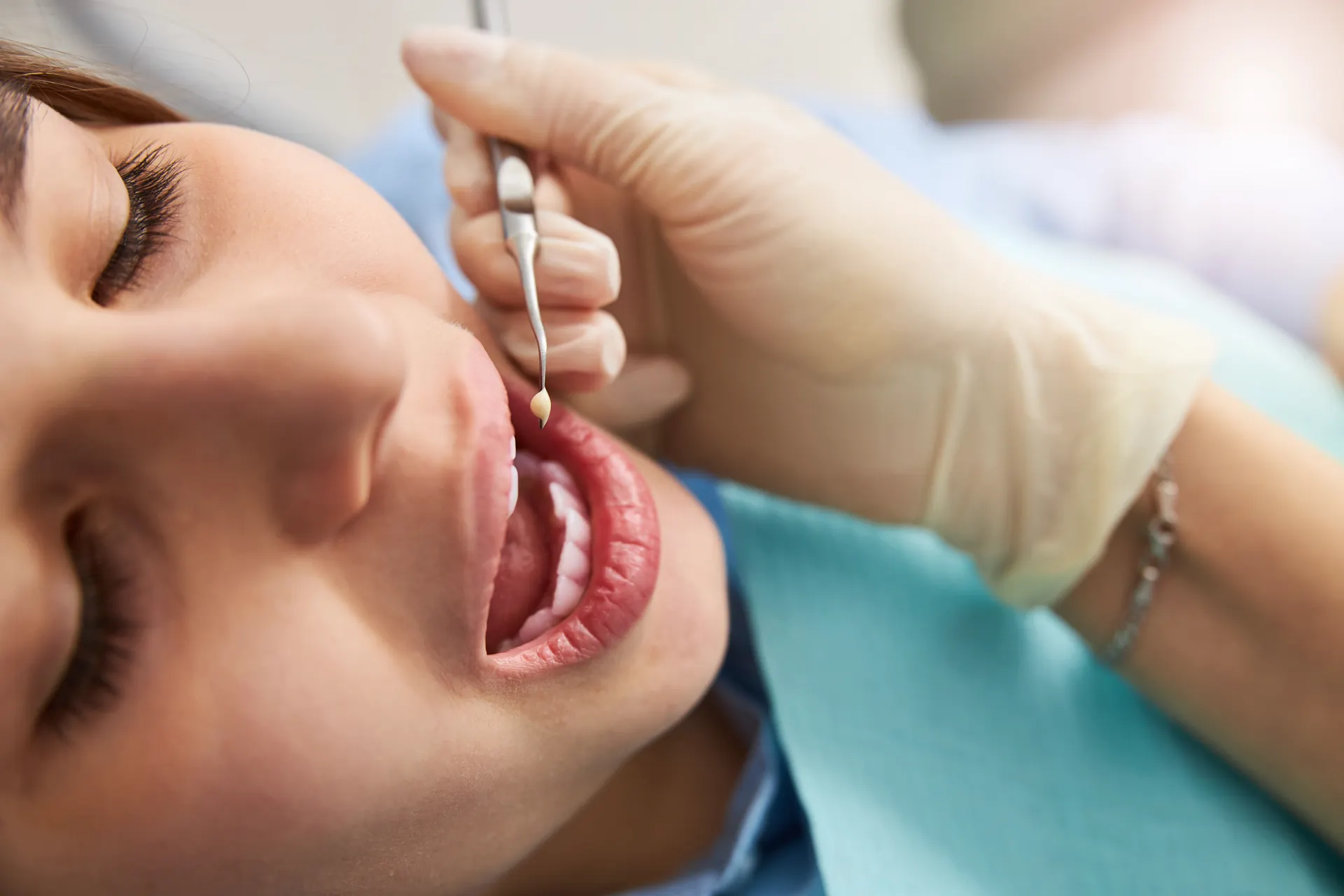
Minimally invasive treatment of tooth decay
Our approach is based on the principles of minimally invasive dentistry. This means that we remove only the tissue affected by decay while seeking to preserve as much of the healthy tooth as possible.
Tooth decay must be removed completely. However, the earlier it is detected, the smaller the procedure, the simpler the restoration and the better the tooth’s natural strength can be preserved.
One of the greatest pitfalls of tooth decay is that, in its early stages, it usually causes no pain or other noticeable symptoms. This is precisely why regular check-ups every six months are the best way to detect decay early and treat it when the procedure is least extensive and the result is best.
Materials used for tooth restoration
To restore teeth, we use modern aesthetic composite materials that provide a natural appearance, function and long-lasting fillings. Where indicated, we also use glass ionomer materials, depending on the condition of the tooth and each patient’s needs.
When is a conventional filling not enough?
When a tooth is extensively damaged and a conventional composite filling can no longer provide sufficient long-term strength and stability, other modern solutions are available. In such cases, ceramic onlays, overlays or endocrowns may be made. These restorations allow precise reconstruction of the lost part of the tooth while preserving the remaining healthy tooth structure. They are a high-quality alternative when a composite filling can no longer ensure the tooth’s long-term stability, yet a full crown is not required.
The choice of treatment always depends on the extent of damage to the tooth and is made individually, with the aim of preserving as much natural tooth structure as possible and ensuring a long-lasting result.
Our goal is not to make the largest possible filling, but to preserve as much of your natural tooth as possible.
 Periodontology and Oral Medicine
Dr Tamara Ristić, specialist
Specialist in periodontology and oral medicineDr Tamara Ristić holds a PhD in medical sciences and is a specialist in periodontology and oral medicine. During her academic career, she attained the rank of assistant professor, taught future dentists, participated inresearch projects and published numerous professional and scientific papers.
Questions and Answers
-
In its early stages, tooth decay usually causes no pain or other noticeable symptoms. Regular check-ups every six months are the best way to detect decay early and treat it when the procedure is least extensive and the result is best.
-
or endocrowns may be made. The choice of treatment always depends on the extent of damage to the tooth and is made individually.