
Prosthetic Rehabilitation
When one tooth is missing, the solution is usually straightforward. But when several teeth have been lost, the teeth are severely damaged or the bite is compromised, treatment becomes much more complex.
This is when we speak of prosthetic rehabilitation – carefully planned treatment designed to restore normal chewing function, comfort and speech, as well as the natural appearance of the patient’s smile.
Book an Appointment Book an Appointment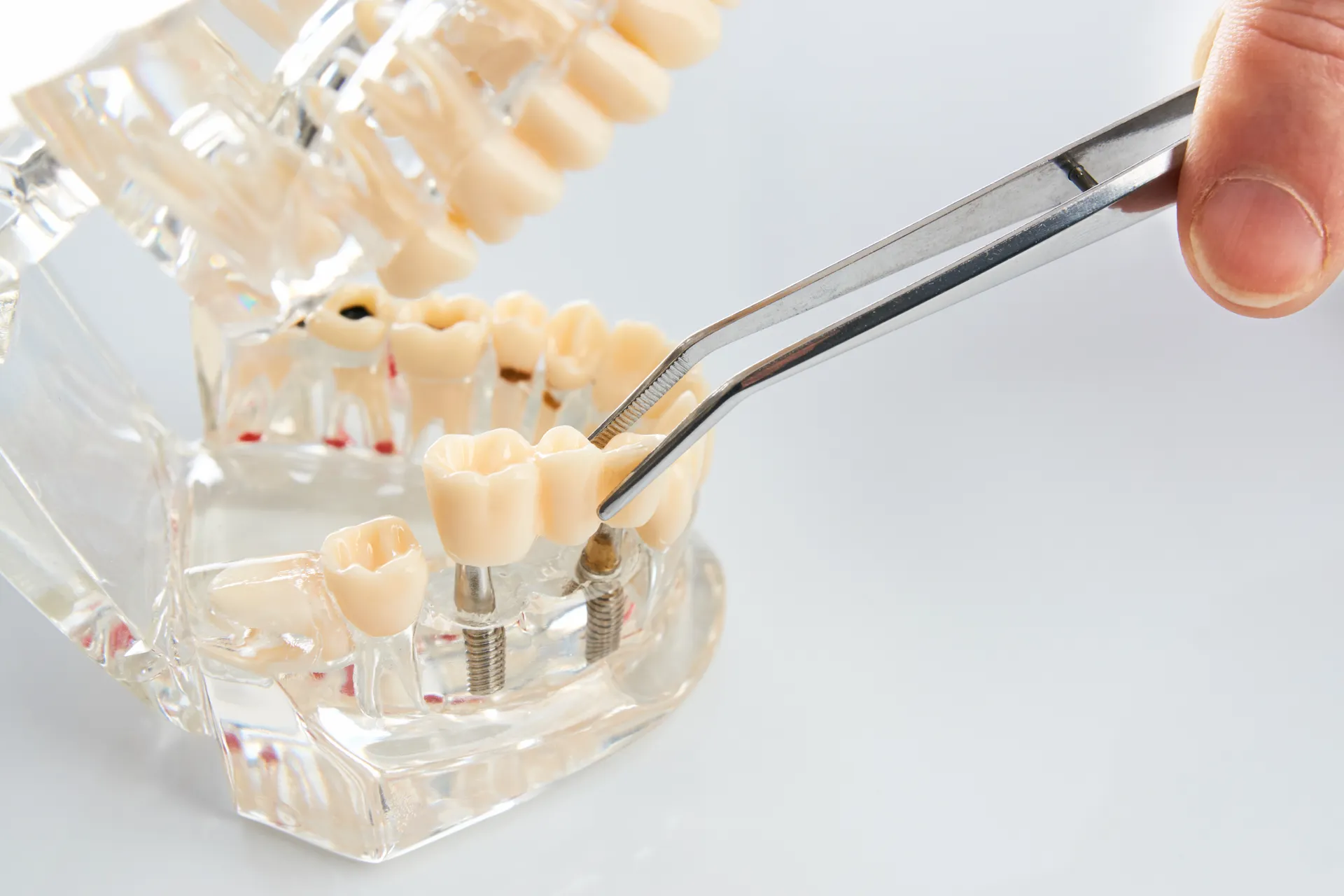
A good plan matters more than a quick solution
Prosthetic rehabilitation rarely involves a single procedure. It is usually a treatment that brings together several areas of dentistry – from periodontology and oral surgery to implant dentistry and prosthodontics.
That is why these treatments are carefully planned. Every step has a purpose and follows a specific sequence.
Our aim is not to complete treatment as quickly as possible. Our aim is to achieve a stable, functional and long-lasting result.
Patience is part of successful treatment
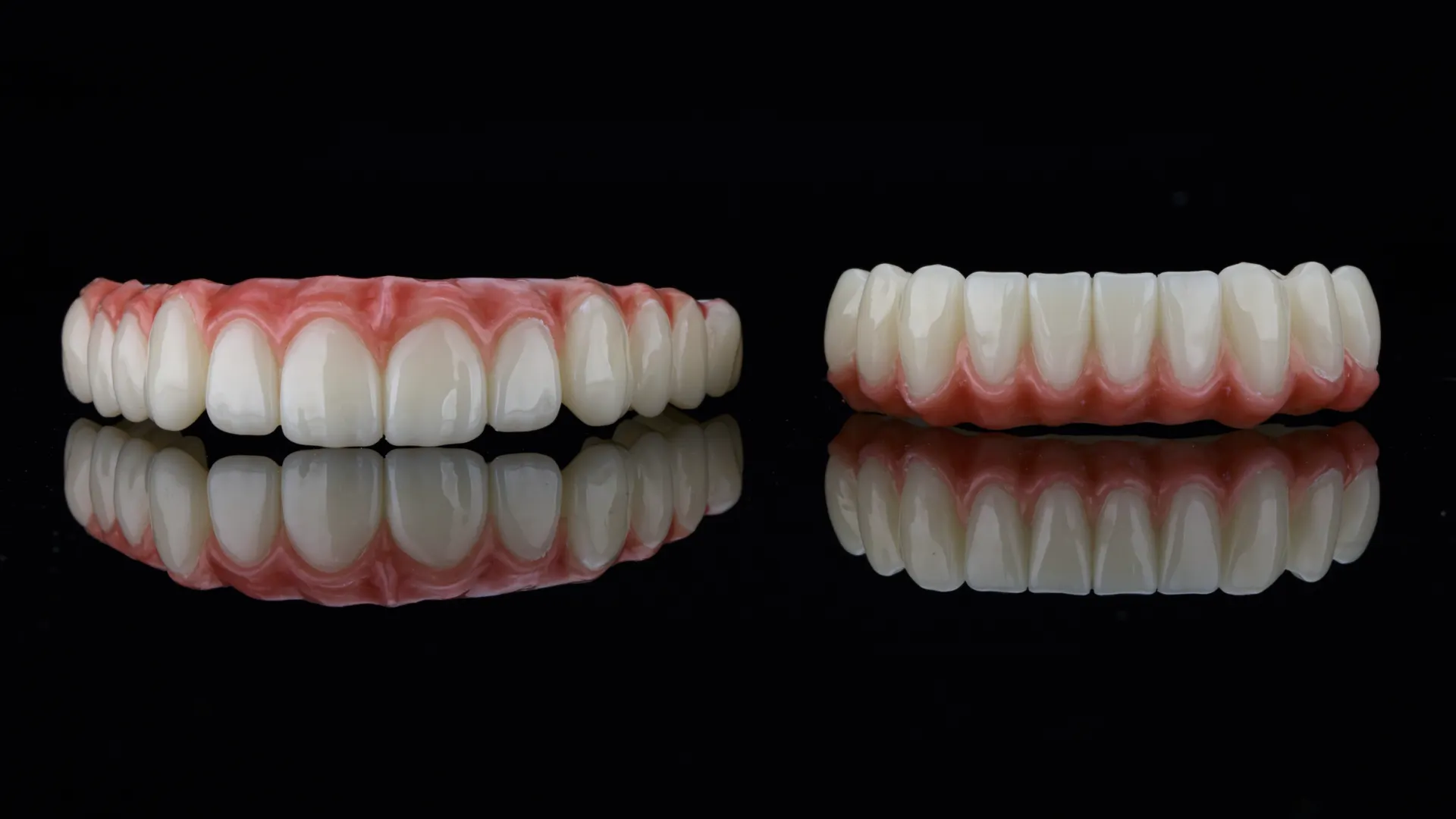
We understand that patients want their new teeth as soon as possible. With complex reconstructions, however, time is an important ally.
Sometimes the tissues need time to recover. Sometimes the body needs to adapt to the previous stage of treatment. And sometimes we need to check together that function and bite are as they should be before producing the final restoration.
Successful prosthetic rehabilitation is not a matter of speed. It is the result of careful planning and meticulous work carried out with patience.
An adjustment period is completely normal
New teeth, bridges or dentures represent a change that the body needs time to adjust to. At first, everything may feel different. The tongue looks for a new position. Speech may change slightly. Chewing takes time to feel completely natural again.
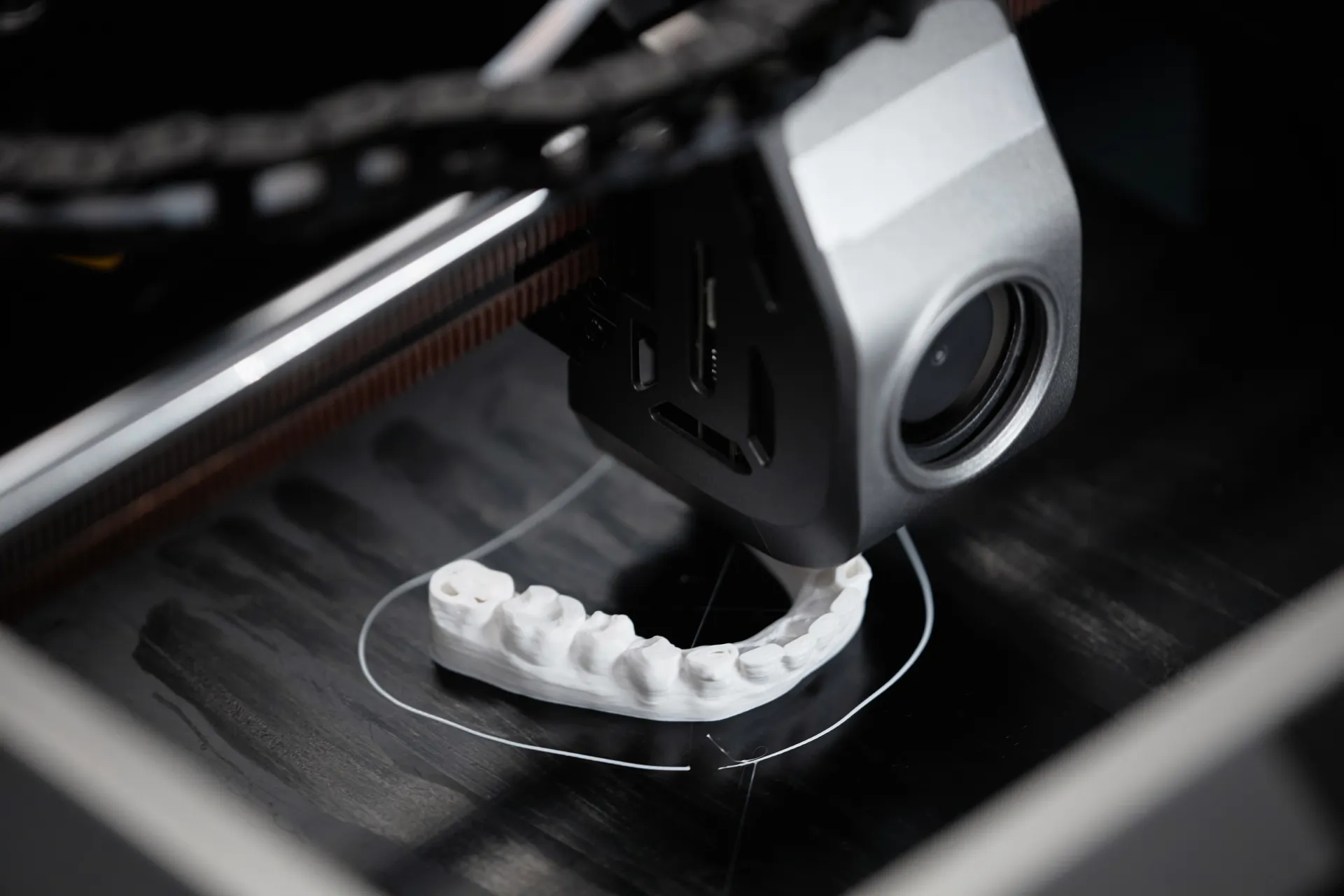
These are all expected and normal stages of adjustment. Some people go through them in a few days, while others need a little more time.
Our role is to guide and encourage you through this period, and to adjust the treatment if necessary, so that you feel confident with your new teeth as soon as possible.
Treatment does not end when you receive your new teeth
Prosthetic restorations require regular check-ups and good oral hygiene. Whether you have crowns, bridges, dentures or implants, their longevityalso depends on how well you care for them.
That is why we continue to monitor our patients after treatment, because we want the result we have achieved to last for many years.
 Oral Surgery
Dr Rastko Ristić, specialist
Specialist oral surgeryDr Rastko Ristić graduated from the School of Dental Medicine in 2010. and completed his specialisation in oral surgery in 2021. at the University of Belgrade School of Dental Medicine. As an oral surgeon, he is particularly dedicated to the surgical treatment of oral diseases, implant dentistry and complex prosthetic rehabilitation.
Questions and Answers
-
It depends on the treatment. This is sometimes possible for minor procedures. More complex prosthodontic rehabilitation, however, requires several stages because each step plays a role in achieving a stable and long-lasting result. We do not rush when we know that a little more time will produce a better result.
-
An adjustment period is completely normal. New teeth, bridges or dentures are a change that the body needs time to adapt to. At first, speech, chewing or the position of the tongue may feel slightly different. Some people adjust within a few days, while others need a little more time. This is not a sign that something is wrong; it is a natural process of adaptation.
-
They are long-lasting, but not lifelong solutions. Their lifespan depends on several factors: the quality of the work, the condition of the surrounding tissues, regular check-ups and, above all, how well you care for them. A well-made restoration, combined with good hygiene and regular check-ups, can serve you successfully for many years.
-
Yes. This is one of the most common misconceptions. Many people think that crowns, bridges or implants no longer require special care because they are ‘artificial’. The opposite is true. They require careful, regular oral hygiene and dental check-ups so that both the restorations themselves and the tissues surrounding them remain healthy. In some cases, they need even more frequent care than natural teeth.
-
A porcelain-fused-to-metal crown consists of a metal substructure covered with a layer of ceramic. This provides functionality, but the aesthetic result is less natural. An all-ceramic crown is made from modern ceramic materials without a metal substructure. Thanks to its optical properties, it provides an exceptionally natural appearance and is the aesthetically superior option, particularly for front teeth. This does not, however, mean that a good result cannot be achieved with a porcelain-fused-to-metal crown. Both types of crown have their indications, and the choice depends on the position of the tooth, the extent of the prosthetic work, the condition of the remaining teeth and supporting tissues, functional requirements and the patient’s financial circumstances. Modern metal-free materials make it possible to produce many restorations that were previously made exclusively from porcelain fusedto metal. Consequently, all-ceramic crowns and bridges are increasingly used in everyday practice. When a single crown is required, an all-ceramic crown is the best solution in most cases because of its aesthetic qualities and natural appearance. The final decision on the type of crown or bridge is made by the dentist after an examination, in accordance with the clinical findings and each patient’s needs.
-
Veneers are thin ceramic shells placed on the front surface of the teeth to correct their shape, colour or minor alignment irregularities. They are used when the tooth is healthy and well preserved and the bite is correct. Crowns completely cover the tooth. They are used when the tooth is damaged, after root canal treatment, or when the conditions in the mouth do not meet the criteria for veneers but the patient would like to improve the appearance of the teeth. Crowns restore the tooth’s strength, function and natural appearance. Bridges replace one or more missing teeth. They are supported by adjacent teeth or implants and are a fixed prosthetic solution for replacing a lost tooth. The best option depends on the condition of your teeth, the amount of remaining tooth structure, aesthetic expectations and functional needs. Only after an examination can the dentist recommend the treatment that will provide the best long-term result.