
Implant Dentistry
Implant dentistry is one of the greatest achievements of modern dentistry. When a natural tooth can no longer be saved, an implant can replace the missing tooth, restore chewing function and preserve the natural appearance of your smile.
A successful result does not depend solely on placing the implant itself. It begins with careful diagnostics, sound planning and a proper assessment of all the conditions required for successful treatment.
Book an Appointment Book an Appointment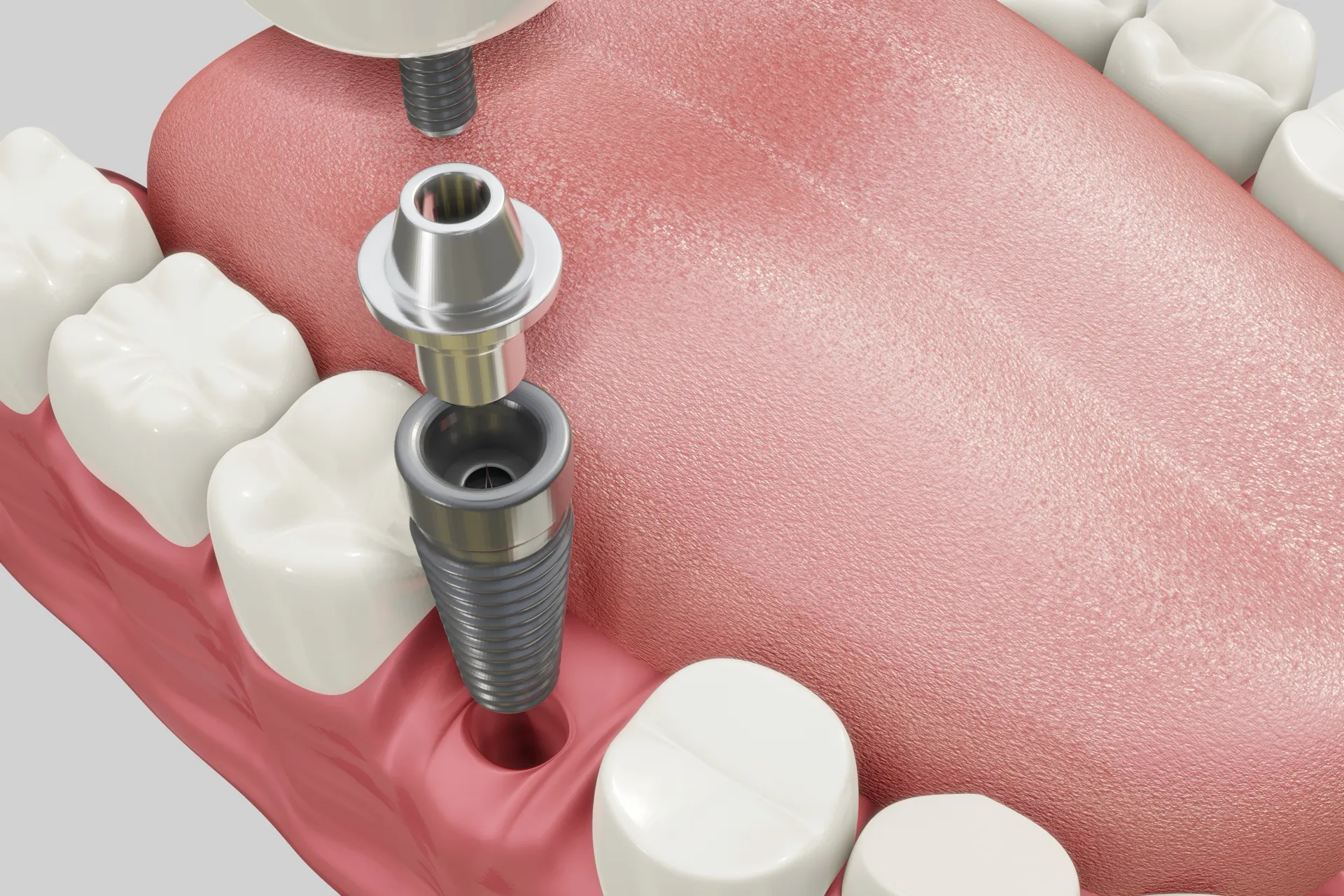
A successful result begins with sound planning
A 3D CBCT scan is an essential part of planning every implant treatment. It allows us to assess the quantity and quality of bone precisely, identify the position of important anatomical structures and plan every step before the procedure itself.
Implant treatment is not a procedure that begins in the operating room. It starts much earlier – with a thorough assessment and a carefully designed treatment plan.
We do not rush when biology needs time
Treatments completed in a single day are often discussed today. In certain situations, this is indeed possible – but only when the appropriate conditions are present.
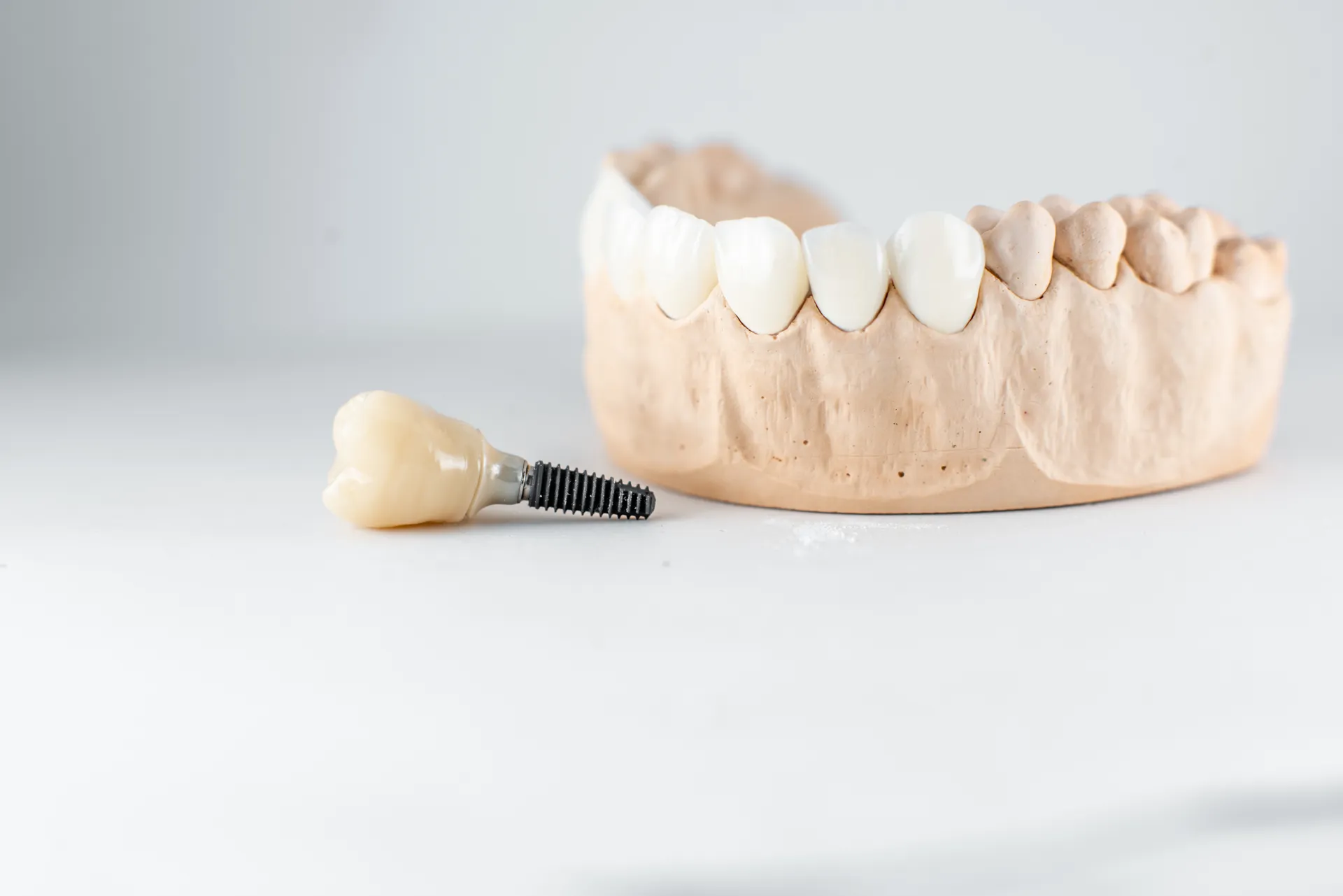
Sometimes the best decision is to wait. Not because treatment cannot continue, but because we know that biology follows its own rules. By respecting them, we create the conditions for a safer, longer-lasting result.
Our goal is not to complete treatment as quickly as possible. Our goal is to deliver the best possible treatment.
Implants are placed in healthy bone
One of the most important things patients need to know is that infected bone cannot receive an implant. Any infection, includingactive periodontal disease, must therefore be brought under control first.
Only once the gums and bone are healthy can we safely plan implant treatment.
This is not delaying treatment. It is a prerequisite for long-term success.
Can the body reject an implant?
This is one of the questions we receive most often. Modern implants are made of biocompatible materials whose reliability has been confirmed through decades of clinical use.
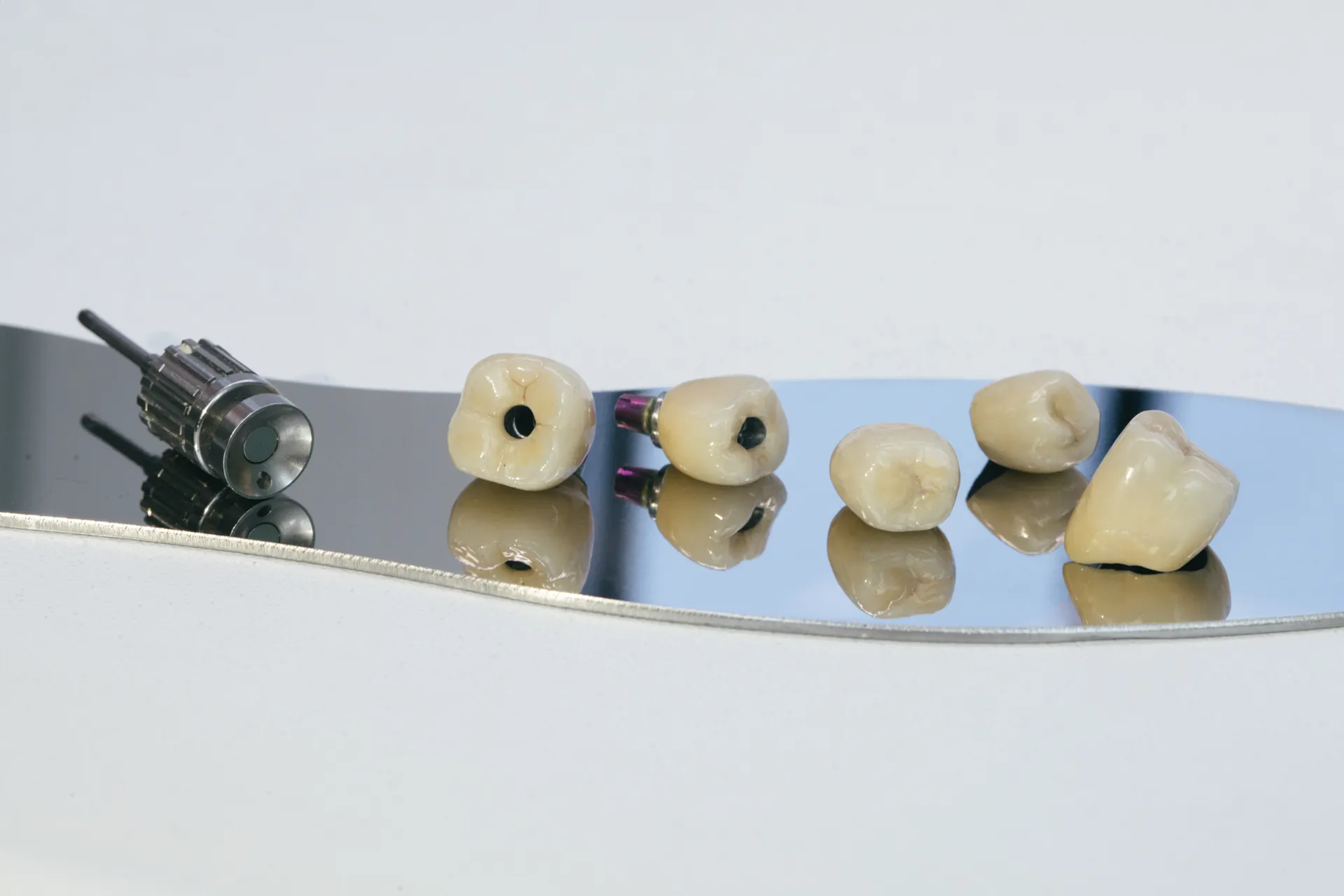
In rare cases, an implant does not achieve the expected osseointegration. Various factors can influence this – from the patient’s general health to the local conditions in the bone.
That is why we plan treatment carefully, use implant systems from trusted manufacturers and continue to monitor patients after implant placement.
Quality does not end on the day the implant is placed
Treatment is not complete once the implant has been placed. Regular check-ups and proper maintenance are just as important as the procedure itself.
We continue to monitor our patients after treatment, checking the implant and surrounding tissues, and we remain available should any questions or need for additional treatment arise over the years.
We do not want to be your dentist only on the day your implant is placed. We want to remain your dentist for many years afterwards.
Every patient has an individual treatment plan
There is no single solution that is best for everyone. The number of implants, the timing of their placement and the method of prosthetic rehabilitation depend on the condition of the bone, gum health, the number of remaining teeth and your individual needs.
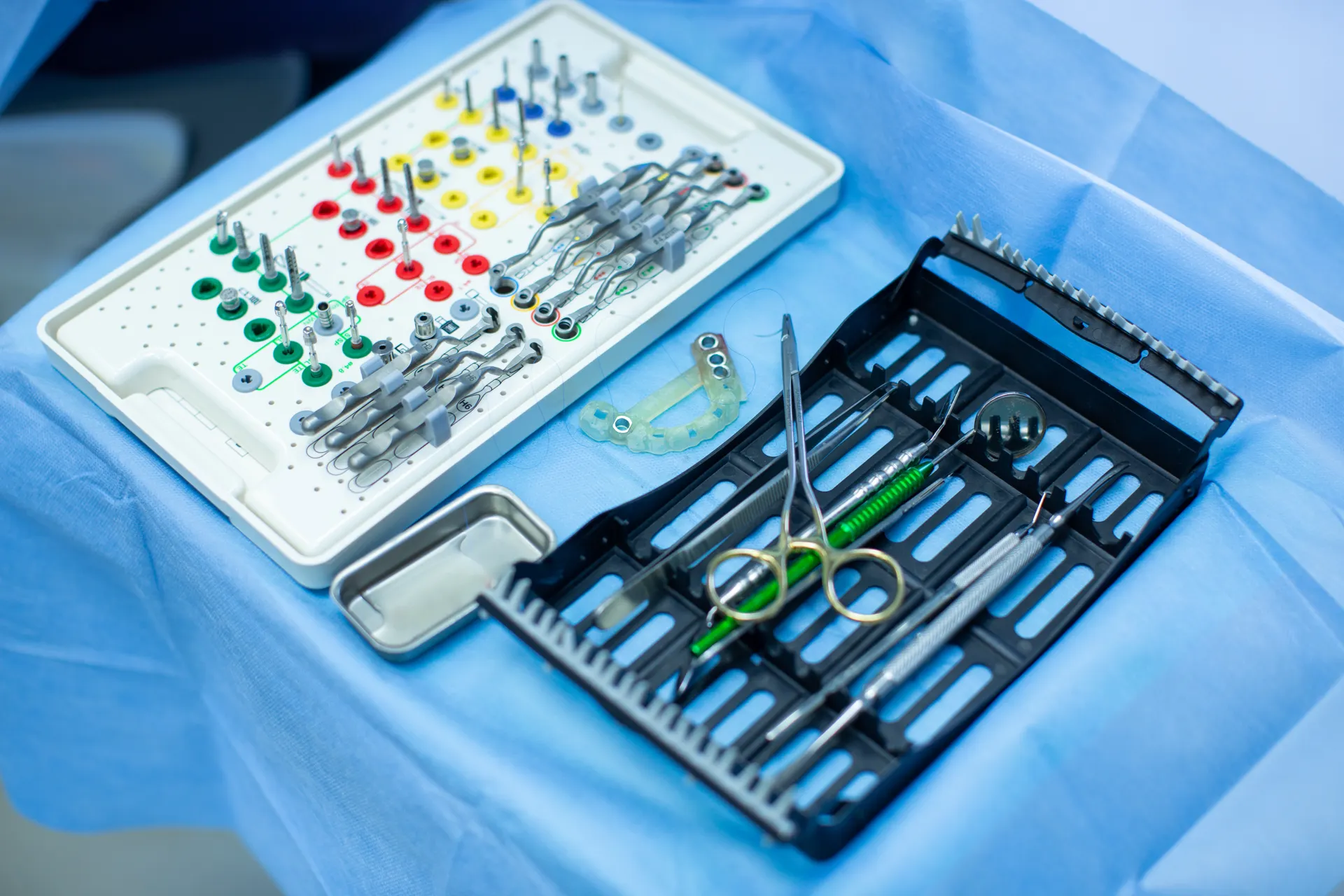
That is why we create an individual treatment plan for every patient. Our aim is to provide you with a stable, functional and long-lasting solution that allows you to eat, speak and smile normally.
 Oral Surgery
Dr Rastko Ristić, specialist
Specialist oral surgeryDr Rastko Ristić graduated from the School of Dental Medicine in 2010. and completed his specialisation in oral surgery in 2021. at the University of Belgrade School of Dental Medicine. As an oral surgeon, he is particularly dedicated to the surgicaltreatment of oral diseases, implant dentistry and complex prosthetic rehabilitation.
Questions and Answers
-
No. Implants are an excellent solution when a natural tooth can no longer be saved, but a healthy natural tooth is always preferable. Our goal is to preserve your tooth whenever possible. We recommend an implant when it is the best solution for your health and long-term stability.
-
This happens very rarely. Modern implants are made from biocompatible materials whose reliability has been confirmed by decades of clinical use. In rare cases, an implant may fail to integrate with the bone as expected. This is precisely why we carefully plan the treatment, assess the condition of the bone and continue to monitor the patient after implant placement.
-
No. Implant placement is performed under local anaesthesia, and the procedure itself is painless. Mild tenderness, swelling or discomfort may occur for a few days afterwards; these are expected reactions following any surgicalprocedure. Most patients are pleasantly surprised by how much easier the recovery is than they expected.
-
Yes, but only once the periodontal disease is under control. Implants are placed in healthy bone and healthy surrounding tissues. If there is an active infection, we treat it first and only then plan the implant treatment. This creates the best conditions for the implant to remain stable and successful in the long term.