
Oral Medicine
Many patients are surprised to learn that dentists treat more than just teeth.
Oral medicine is the branch of dentistry concerned with diseases of the oral mucosa, tongue, lips, palate and other soft tissues. It often overlaps with dermatology and other medical disciplines, as many systemic diseases may first manifest in the mouth.
Book an Appointment Book an Appointment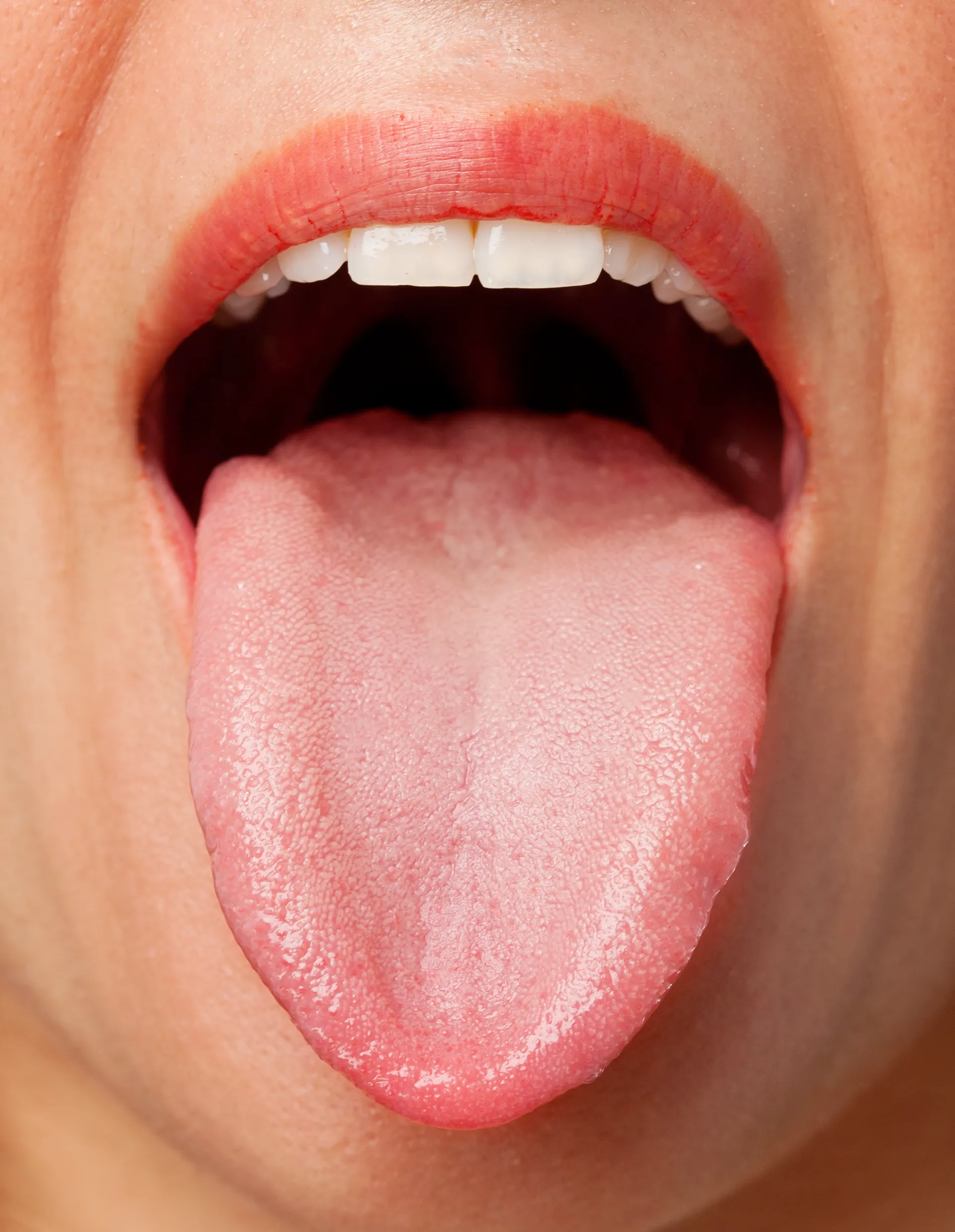
When should you come in for an examination?
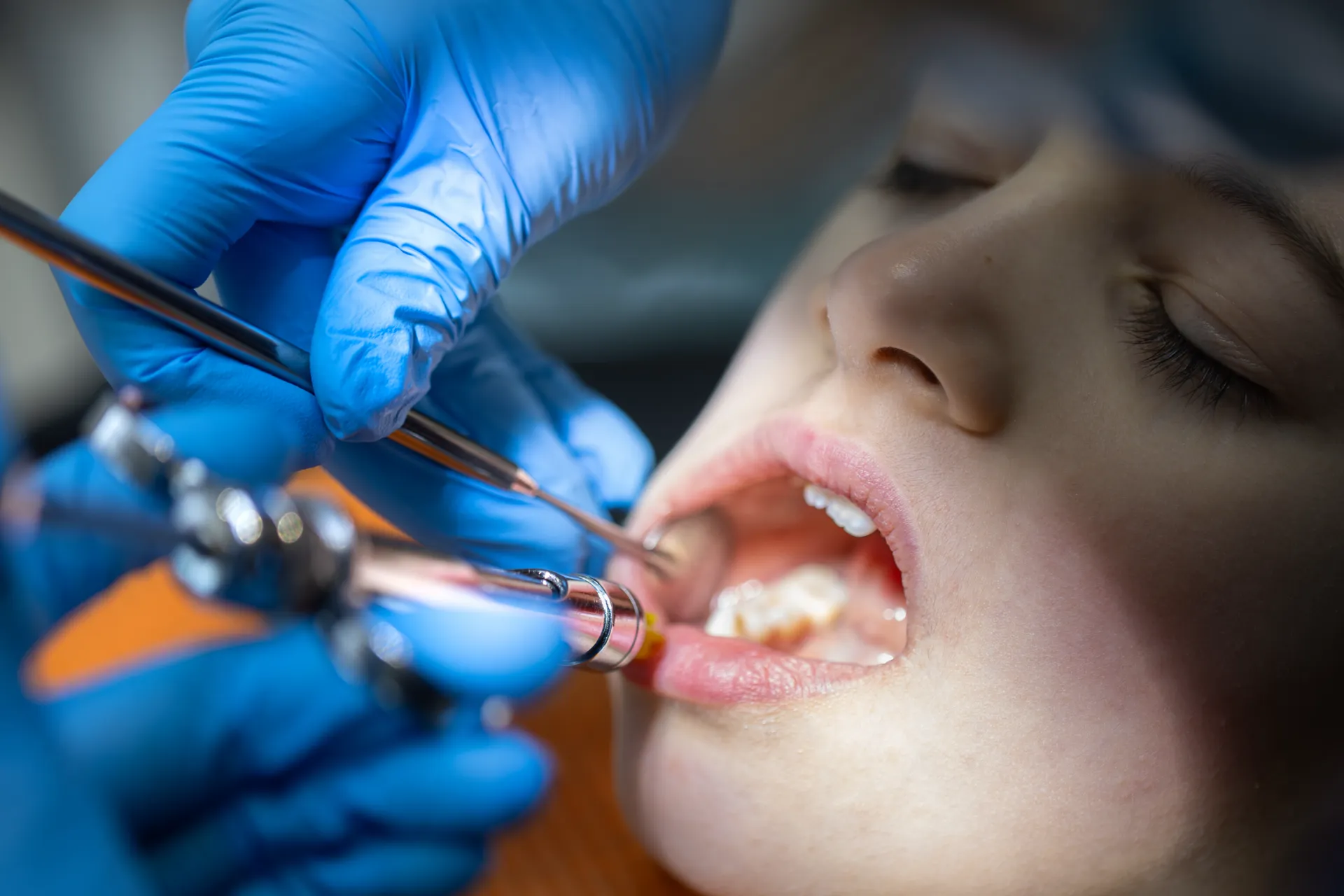
An examination is needed if you notice a sore that does not heal, a change in the colour of the oral mucosa, recurrent mouth ulcers, a stinging or burning sensation on the tongue, dry mouth or any other change lasting longer than two weeks.
Many changes are completely harmless, but some need to be identified and treated promptly.
That is why it is best to address any uncertainty through an examination rather than an internet search.
A timely examination provides peace of mind
Most changes in the mouth are not dangerous.
Nevertheless, the safest way to put your mind at ease is to have any suspicious change examined by a professional. If everything is fine, you will go home reassured. If treatment is needed, it can begin promptly.
No change should frighten you, but any change that does not go away deserves to be examined.
 Periodontology and Oral Medicine
Dr Tamara Ristić, specialist
Specialist in periodontology and oral medicineDr Tamara Ristić holds a PhD in medical sciences and is a specialist in periodontology and oral medicine. During her academic career, she attained the rank of assistant professor, taught future dentists, participated in research projects and published numerous professional and scientific papers.
Questions and Answers
-
recurrent mouth ulcers, a stinging or burning sensation on the tongue, dry mouth or any other change lasting longer than two weeks.
-
Most changes in the mouth are not dangerous. Nevertheless, the safest way to put your mind at ease is to have any suspicious change examined by a professional. If treatment is needed, it can begin promptly.